
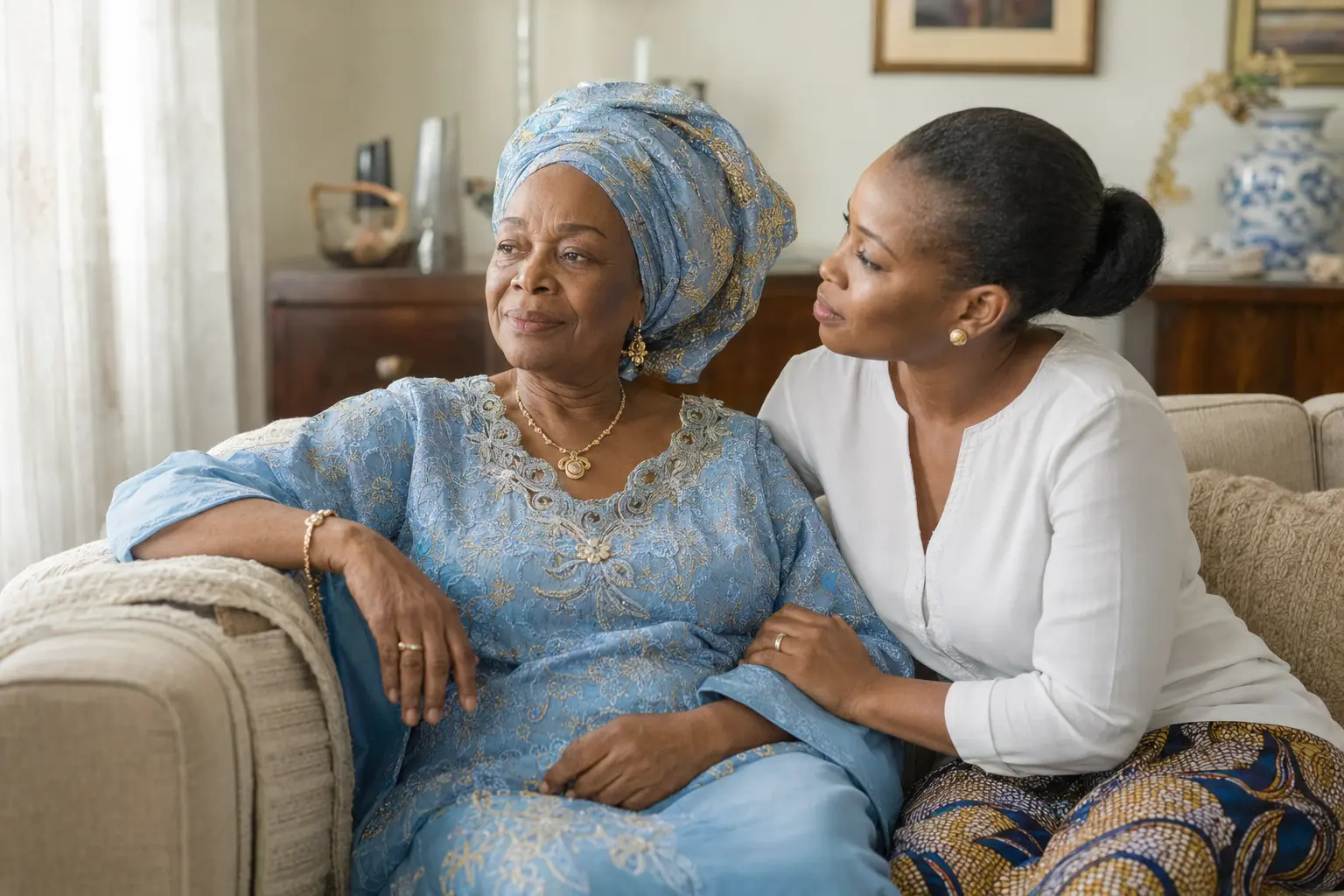
There is perhaps no diagnosis more casually handed to older people than the word ‘old’. Sometimes it explains far too much.
When every change receives the same explanation
The first thing she stops doing is going to the market alone. Nobody calls it a symptom. Then she asks the same question twice, becomes less steady on her feet, struggles to follow conversation and slowly withdraws. Each change receives the same answer: age.
Ageing changes the body, and several conditions become more common in later life. WHO lists hearing loss, cataracts and other vision problems, osteoarthritis, diabetes, depression and dementia among them. Older adults are also more likely to experience several conditions at once.
But there is an enormous difference between saying a condition becomes more common with age and deciding that nothing can be done because somebody is old. The first may guide care. The second may prevent it.
Memory loss deserves a closer look
Dementia is more common in older adults, but WHO is explicit that it is not an inevitable consequence of biological ageing. Progressive memory problems, getting lost, major changes in behaviour or difficulty with familiar daily tasks deserve clinical assessment—not jokes about forgetfulness.
There may be dementia or another neurological condition. There may also be medication effects, depression, infection, sleep problems, hearing loss or another cause requiring professional assessment. ‘Old age’ is not a laboratory result.
A sudden change in awareness or confusion is especially important and can require urgent medical assessment. Families should pay attention not only to what is happening, but to how quickly it began.
Hearing loss can look like personality change
Families sometimes interpret hearing loss as stubbornness. ‘Mummy does not listen anymore. ’ ‘Daddy keeps answering the wrong question. ’ Imagine spending an entire gathering surrounded by voices you cannot properly hear. Eventually, silence may feel easier.
WHO estimates that age-related hearing loss is common and often under-recognised. Assessment and appropriate support can improve communication, independence and safety. The family sees withdrawal; the older person may be experiencing exclusion.
Falls are information
A fall should not automatically be dismissed as one of those things that happens with age—particularly when falls are recurrent. Vision changes, medicines, muscle weakness, neurological disease, blood-pressure problems and hazards in the home may all contribute.
An older person who begins falling repeatedly needs more than the instruction to be careful. The useful question is: why did this begin? The answer may lead to medication review, vision or hearing assessment, movement support, treatment of another condition or practical changes in the home.
Sadness is not harmless because the patient is 70
Bereavement, chronic pain, retirement, reduced independence, financial dependence and loneliness can reshape later life. These are real losses; they do not make depression an ordinary condition to ignore.
Persistent withdrawal, loss of pleasure, major changes in appetite or sleep, hopelessness or talk about wanting to die deserve attention at any age. Growing older does not reduce the value of emotional care.
Families often notice first
A short consultation cannot always reveal what six months of family life has shown. Relatives can help by arriving with observations rather than conclusions.
- Instead of ‘He is just old,’ explain which ability changed and when.
- Instead of ‘She has become difficult,’ describe the hearing, mood, sleep or behaviour change you observed.
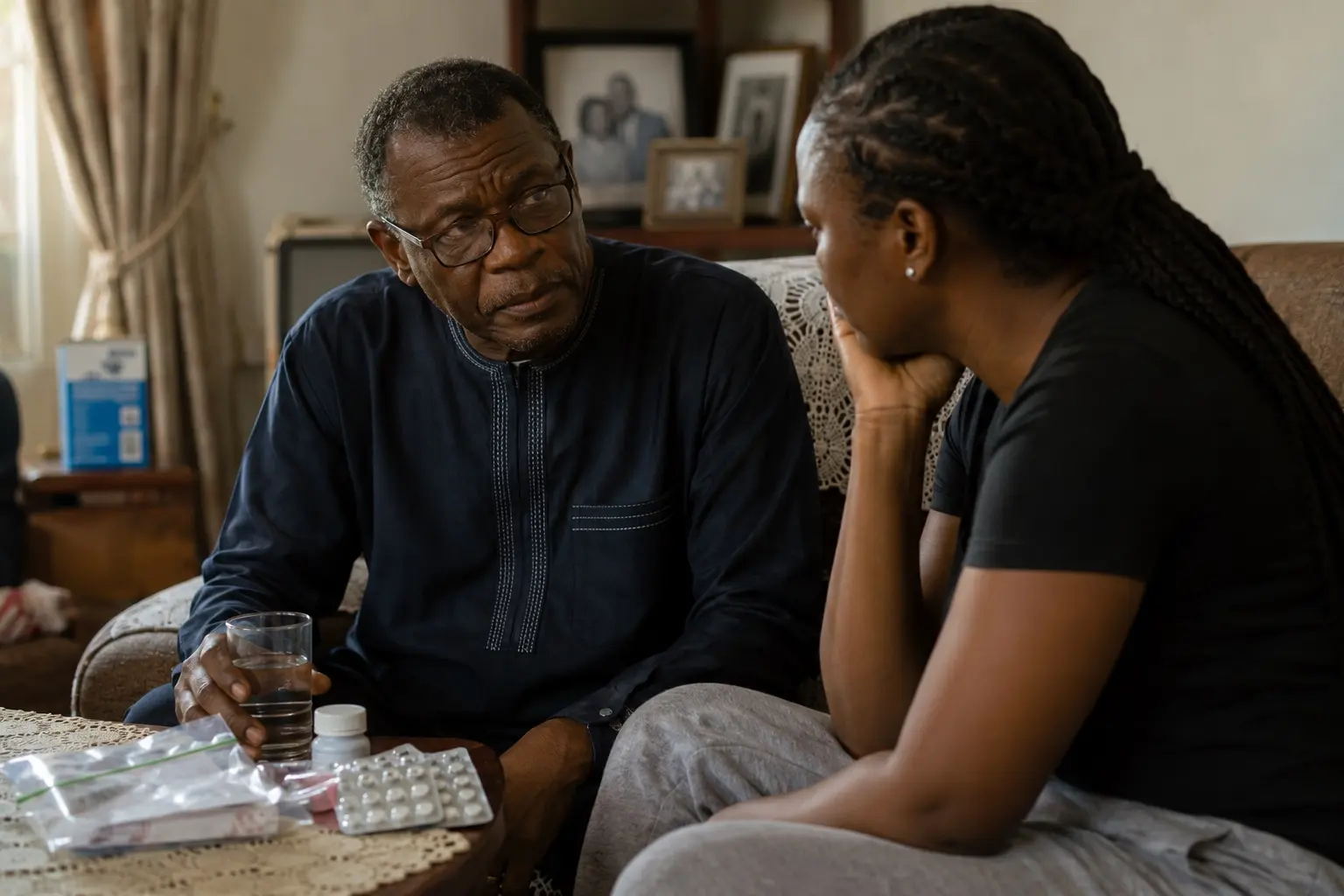
- Record falls, new medicines, episodes of confusion and changes in daily activities.
- Bring a current medicine list and, where possible, information about the person’s usual baseline.
Growing older deserves curiosity
Healthy ageing is not a promise that illness disappears. It is an effort to preserve function, dignity, connection and independence for as long as possible.
Can she see? Can he hear? Are they walking safely? Can they manage their medicines? Are they eating, sleeping and participating in life? Has something changed? That last question may be the most important.
Sometimes it is age. Sometimes it is something that becomes more common with age. And sometimes it is an illness waiting for somebody to stop calling it age long enough to look closer.
Sources & further reading
CHA Health uses named, traceable sources. Links open the original institutional material.

Read thoughtfully.
Respond constructively.
Loading discussion…