Nigeria Health
Policy, access, institutions and the decisions shaping care across Nigeria.
Health stories from Nigeria and Africa—reported with care, explained with clarity and sourced for trust.
Explore maternal mortality, malaria vaccine delivery, the health workforce and the Three Zeros roadmap through sourced, interactive views.
Open the Data Hub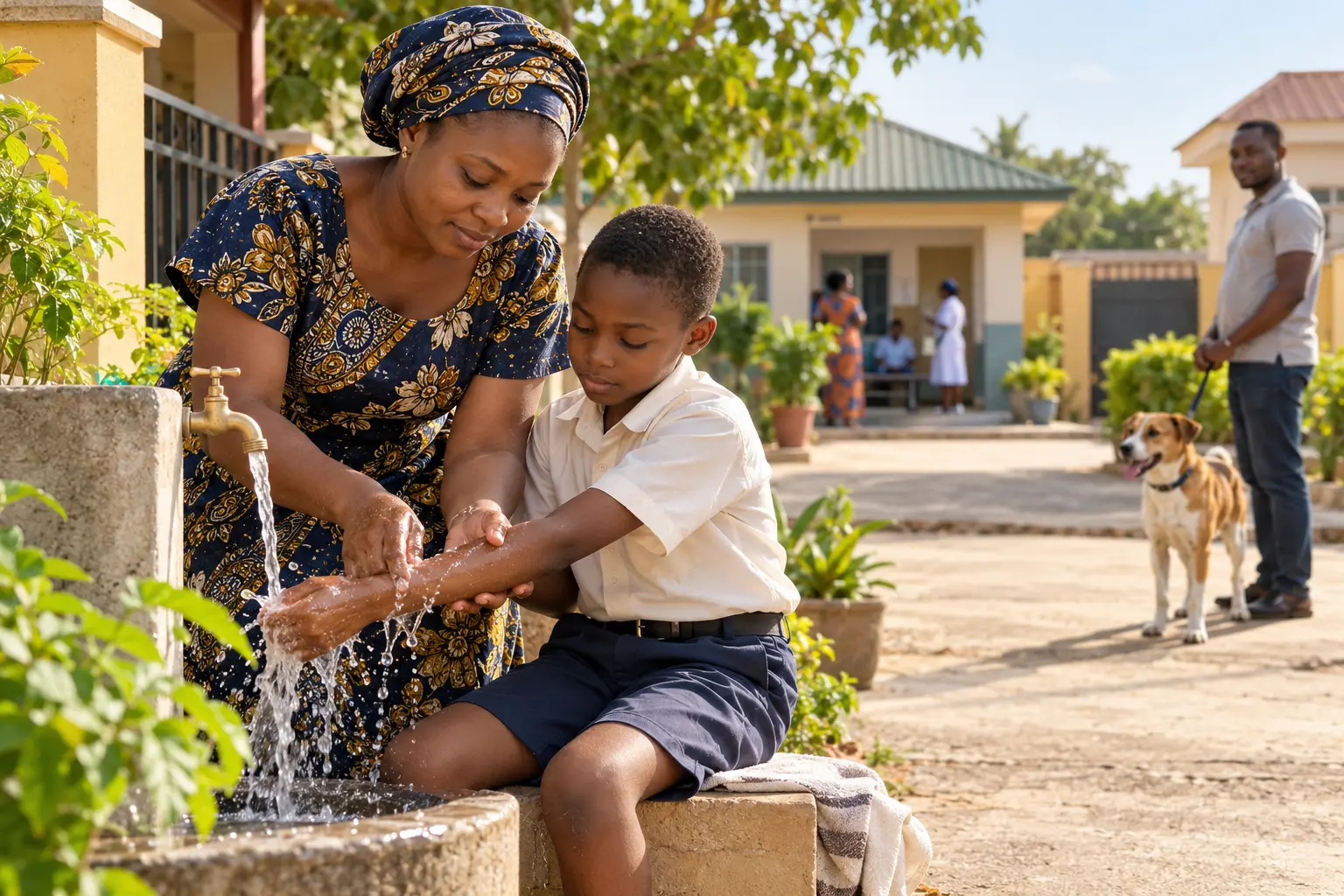 STORY OF THE WEEK
Story of the Week · Rabies Prevention · 7 min read
 02
02Nigeria is expanding cancer medicines, insurance and oncology centres. What NHIA coverage means, who may benefit and why early diagnosis needs timely treatment.
 03
03The 2026 Bundibugyo Ebola outbreak has no proven vaccine. What WHO’s Ervebo trial means for Africa, Nigeria’s preparedness and public safety.

Nigeria is preparing health workers for longer acting HIV prevention, including twice yearly lenacapavir. Here is how it works and what equitable access will require.
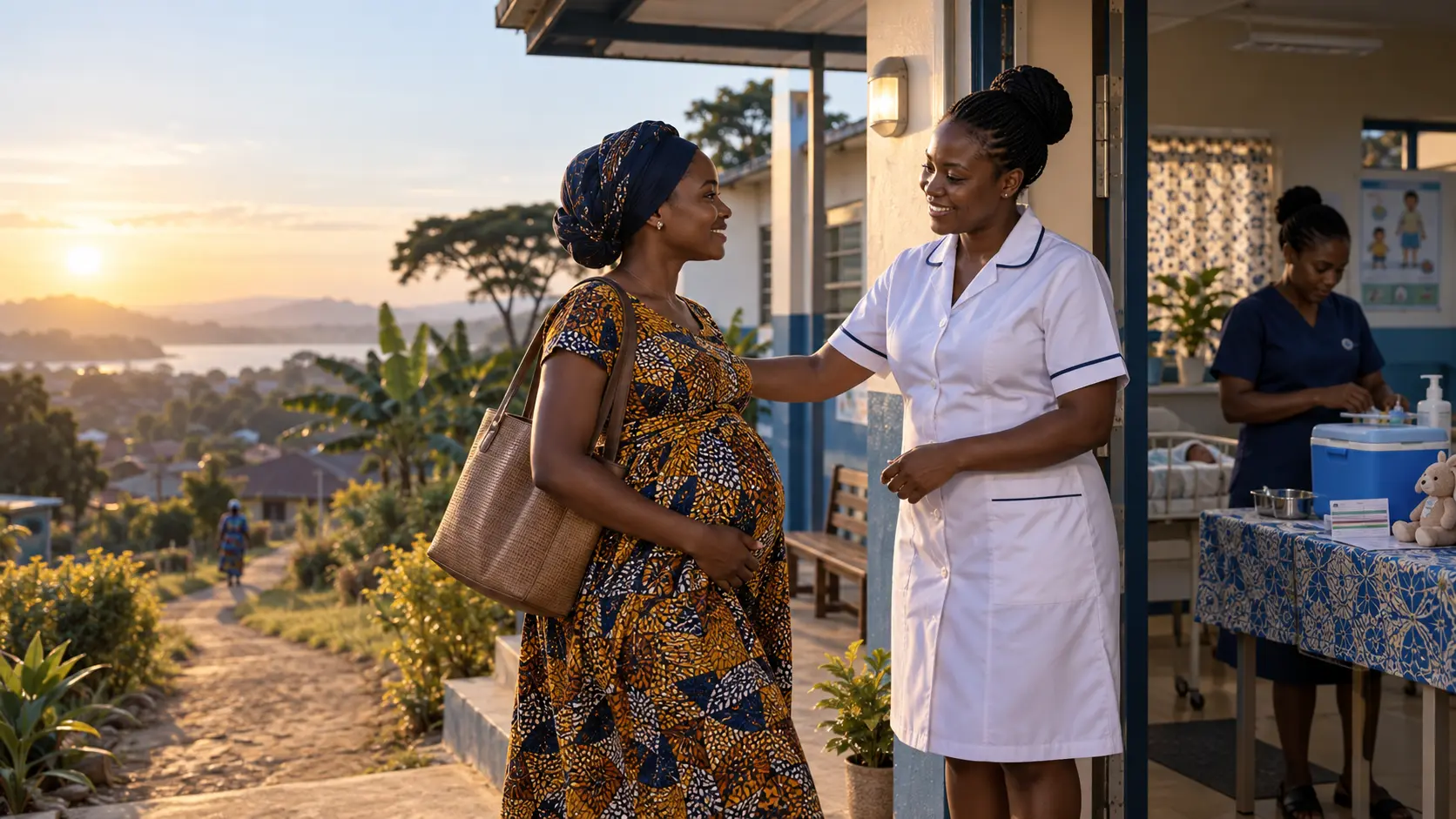
Africa's 2026 Three Zeros roadmap targets home births, preventable maternal and newborn deaths, and unvaccinated children. What must health systems change by 2030?
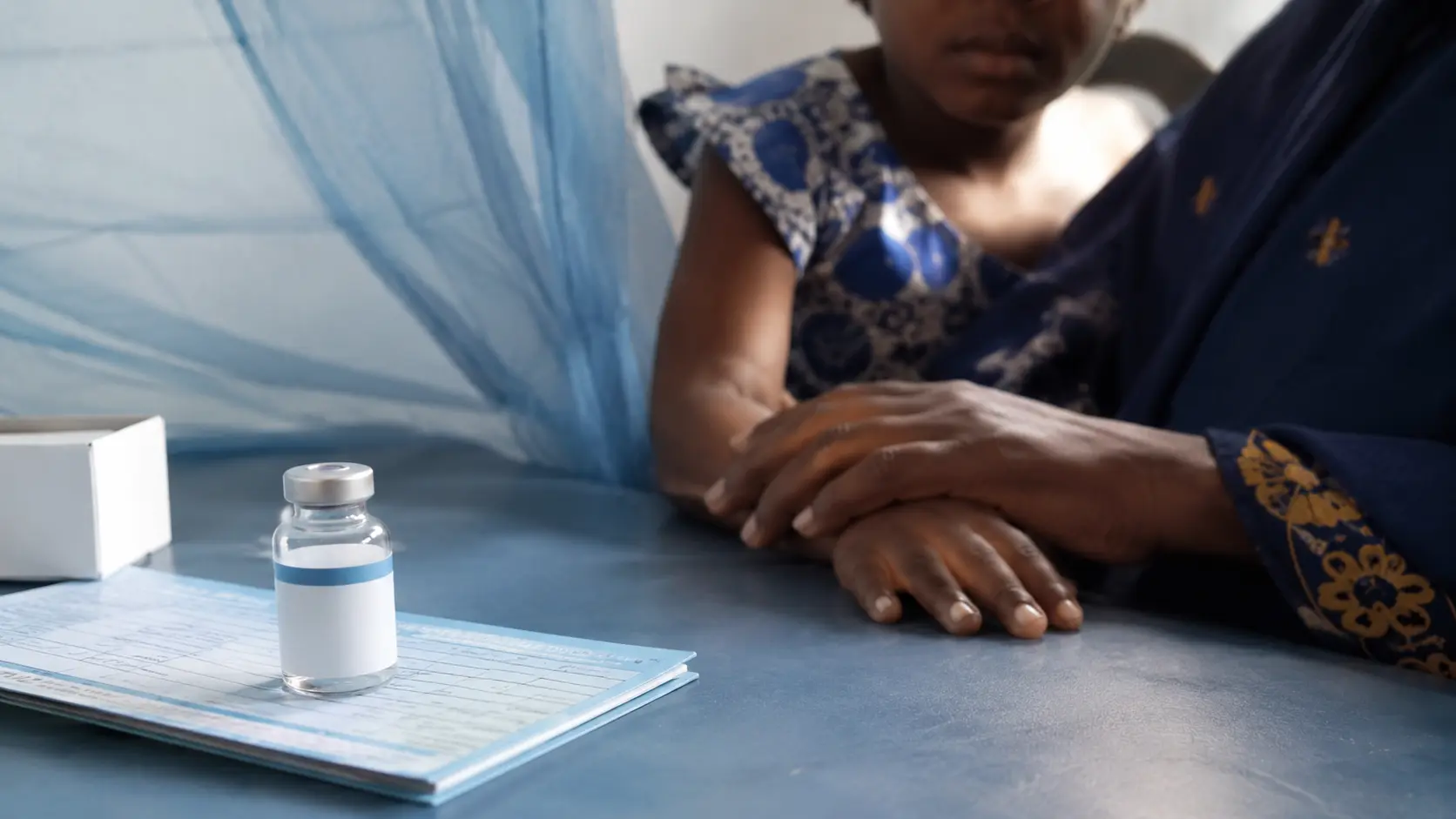
Malaria vaccines now protect children in 25 African countries. What RTS,S and R21 are changing—and why vaccines alone will not end malaria.

Africa needs millions more health workers, yet about one million trained professionals are unemployed. WHO data explains how both can be true.

Sub-Saharan Africa accounted for about 70% of global maternal deaths in 2023. The latest WHO data shows what is killing women—and what could save them.

What Nigeria's 2026 sachet alcohol ban covers: sachets and alcohol in PET or plastic bottles below 200ml, the enforcement timeline, recalls and public-health reasons.

WHO's 2026 sickle cell guidance recommends hydroxyurea from 9 months to 19 years. What it does, why child-friendly formulations matter and what Nigeria is changing.

WHO's 2026 childhood cancer medicines initiative covers 12 priority drugs. Why child-friendly formulations, quality assurance and reliable supply matter for survival.

WHO has issued its first recommendations for near-point-of-care molecular TB tests and tongue-swab sampling. Here is what could change—and what has not.

A gene-edited pig kidney supported a patient for 271 days before a human transplant. The milestone is extraordinary—but xenotransplantation remains experimental.

Why short-form video can hold attention when studying cannot, what ADHD actually involves, and why a social-media symptom list is not a diagnosis.
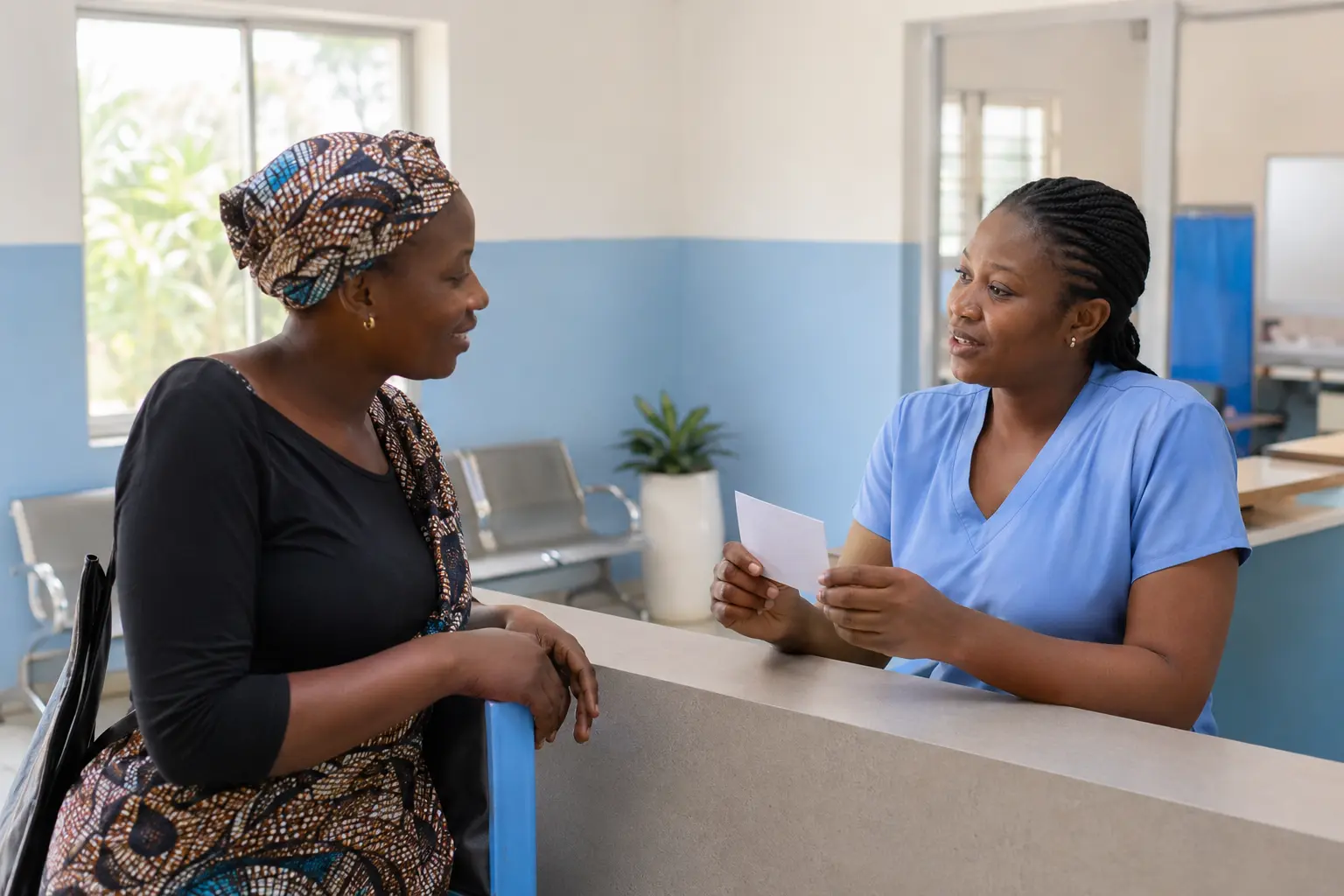
How limited awareness of health insurance and public programmes can keep Nigerian families paying alone, even when support may exist.

Why confidentiality, respectful care and clear youth-friendly services matter when young Nigerians seek sensitive healthcare.
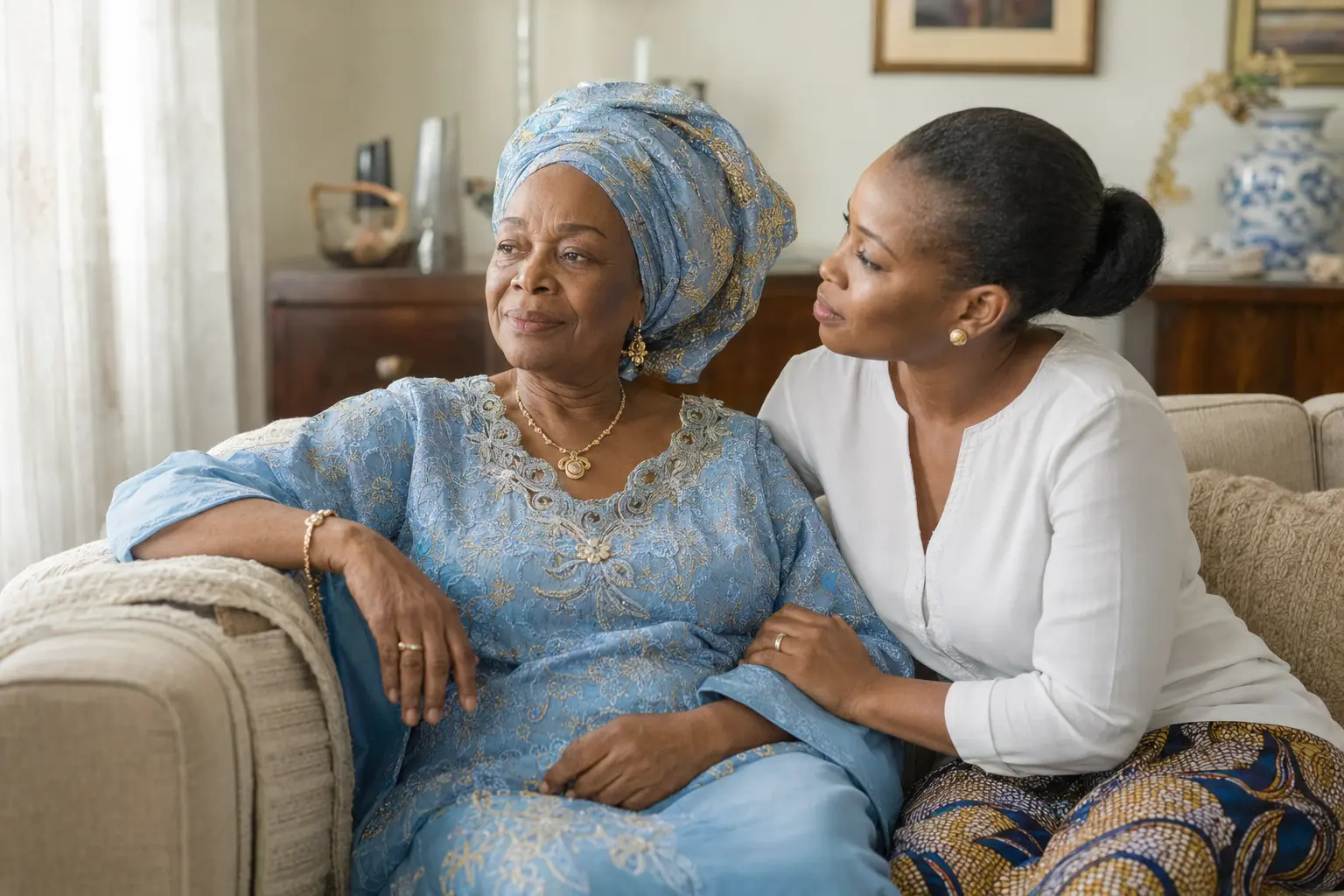
Why memory change, hearing loss, falls and depression in older adults deserve curiosity rather than dismissal.

What Nigerian families should know about the NHIA emergency obstetric and neonatal care programme, its limits and how to prepare before labour.
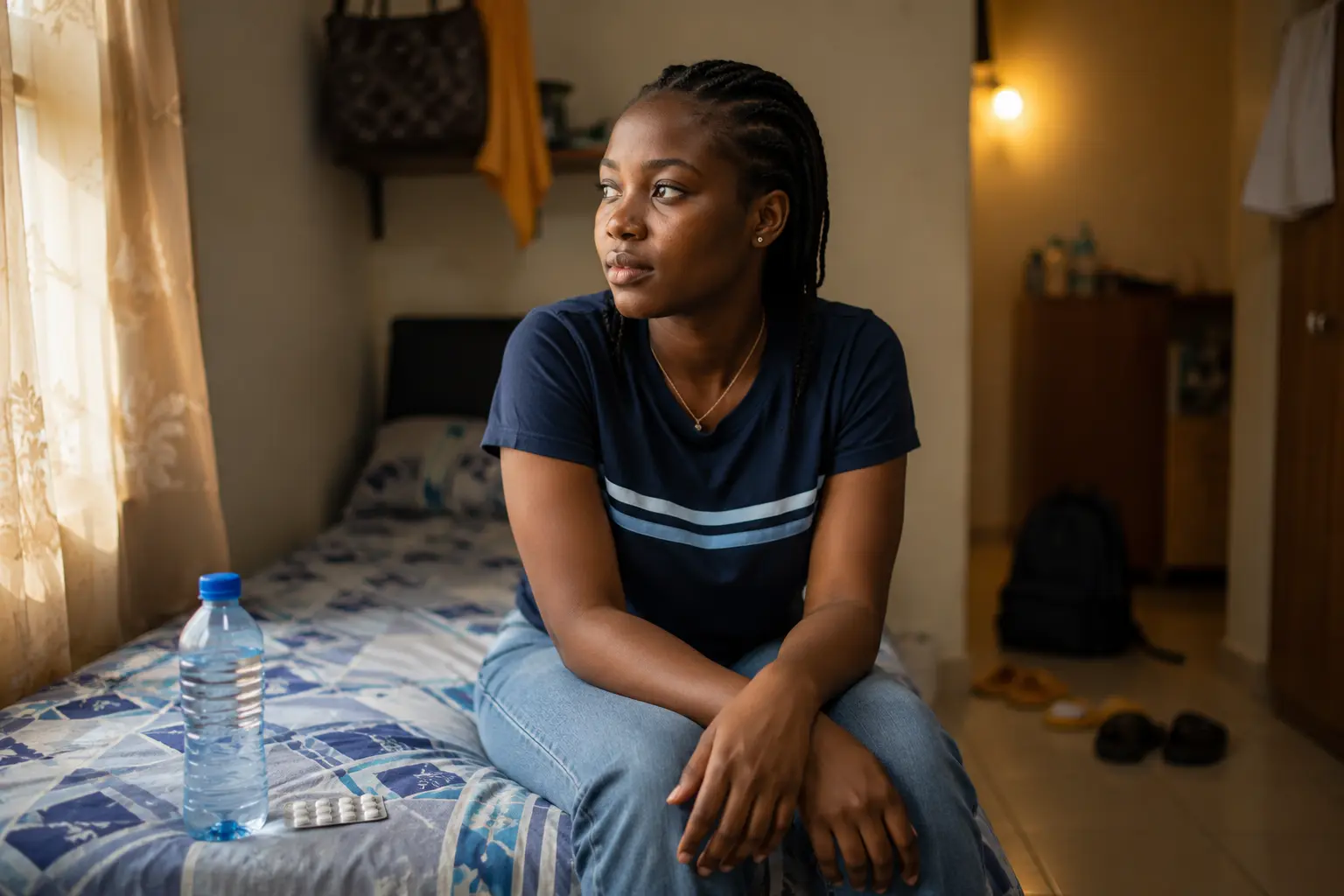
Sickle cell disease, disclosure, university life and the difference between informed support and stigma in Nigeria.

A careful guide to Nigeria’s Cancer Health Fund, non-medical support and financial navigation for eligible cancer patients.

A practical, evidence-led health checklist for young Nigerian adults: blood pressure, family history, genotype, sexual health, vaccination, movement and records.
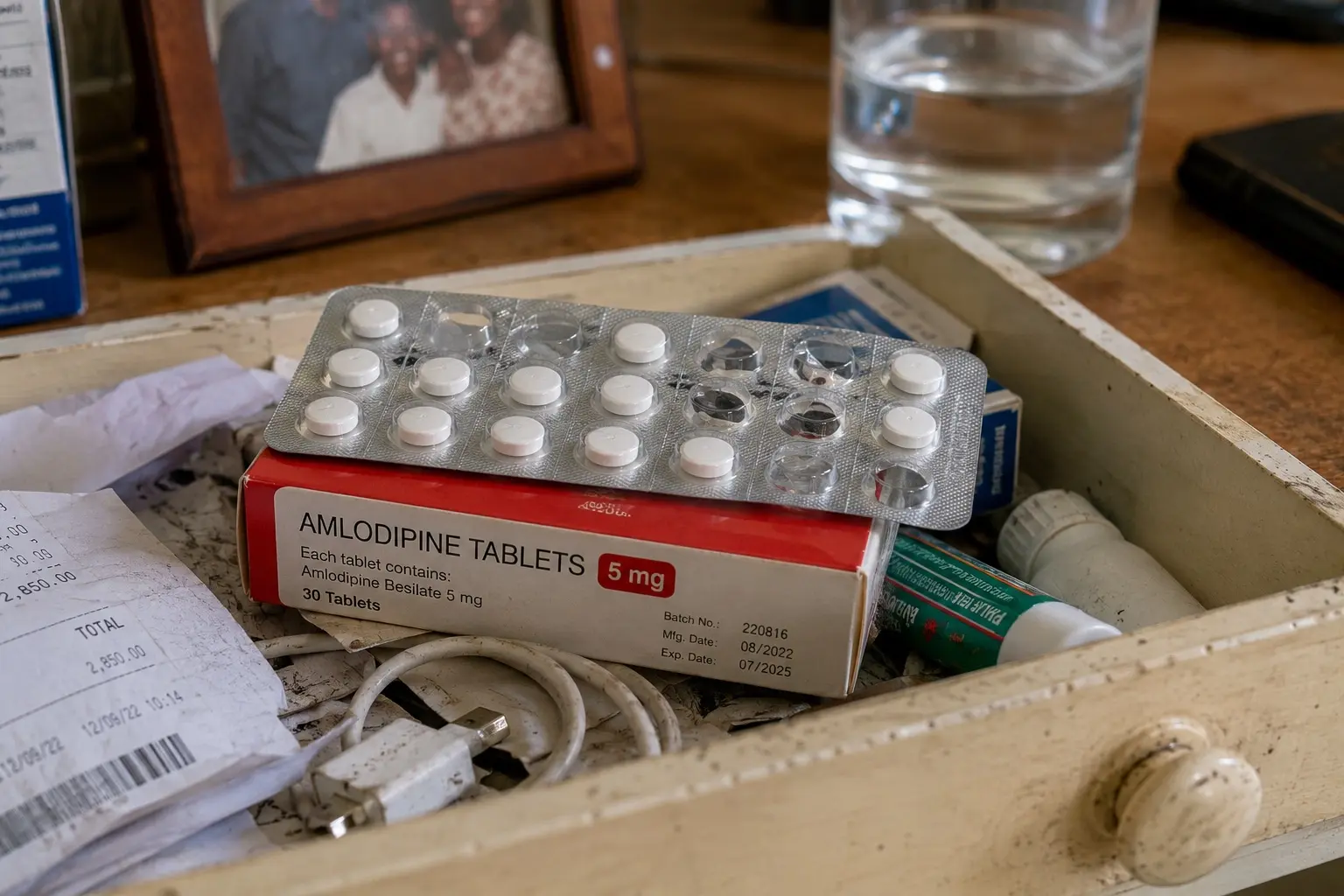
Why people stop long-term medicines when they feel better—and how clearer conversations, simpler routines and safer follow-up can help.
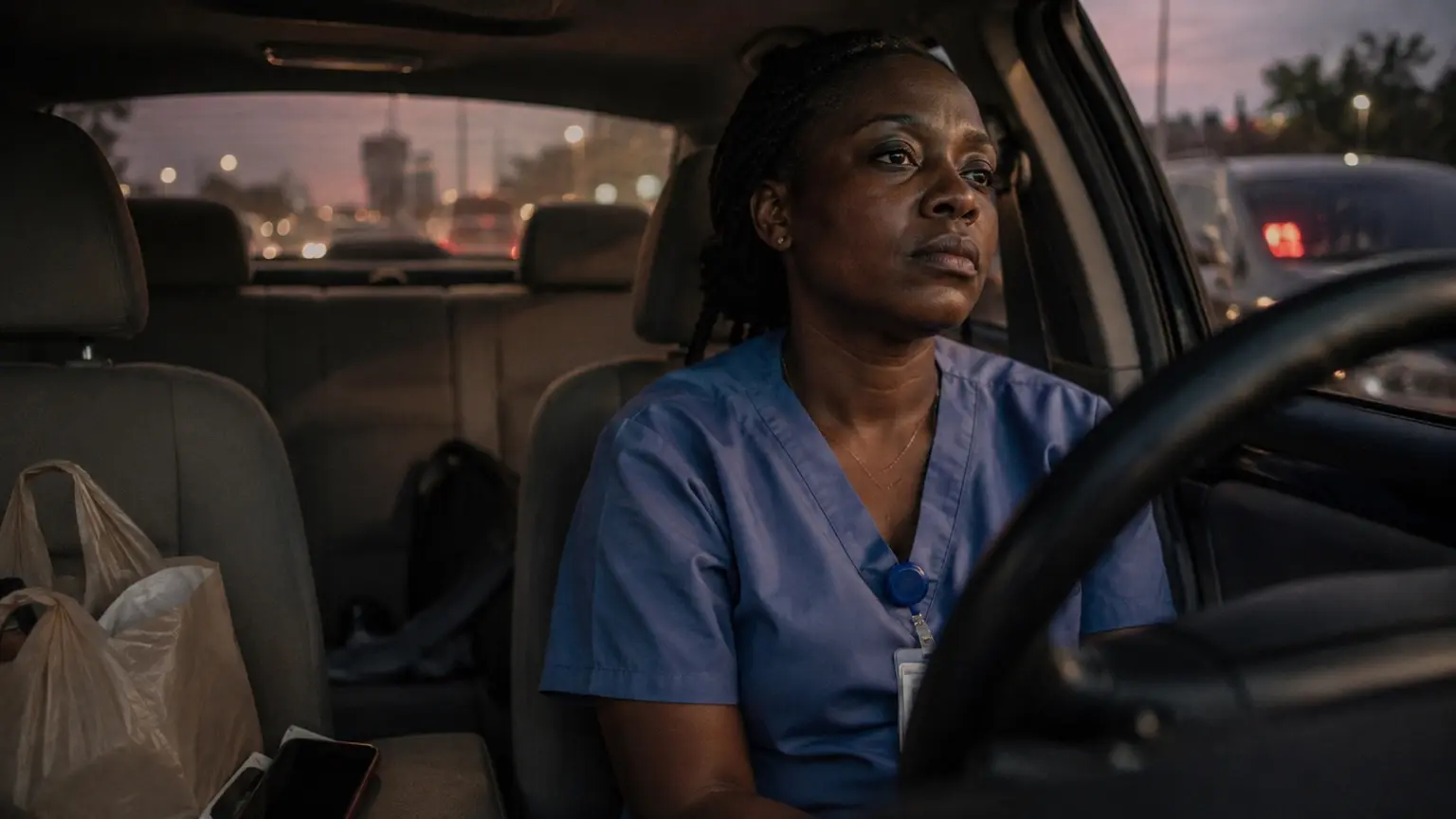
An original CHA Health essay on what healthcare workers carry home after difficult shifts—and why support must be built into the workplace.
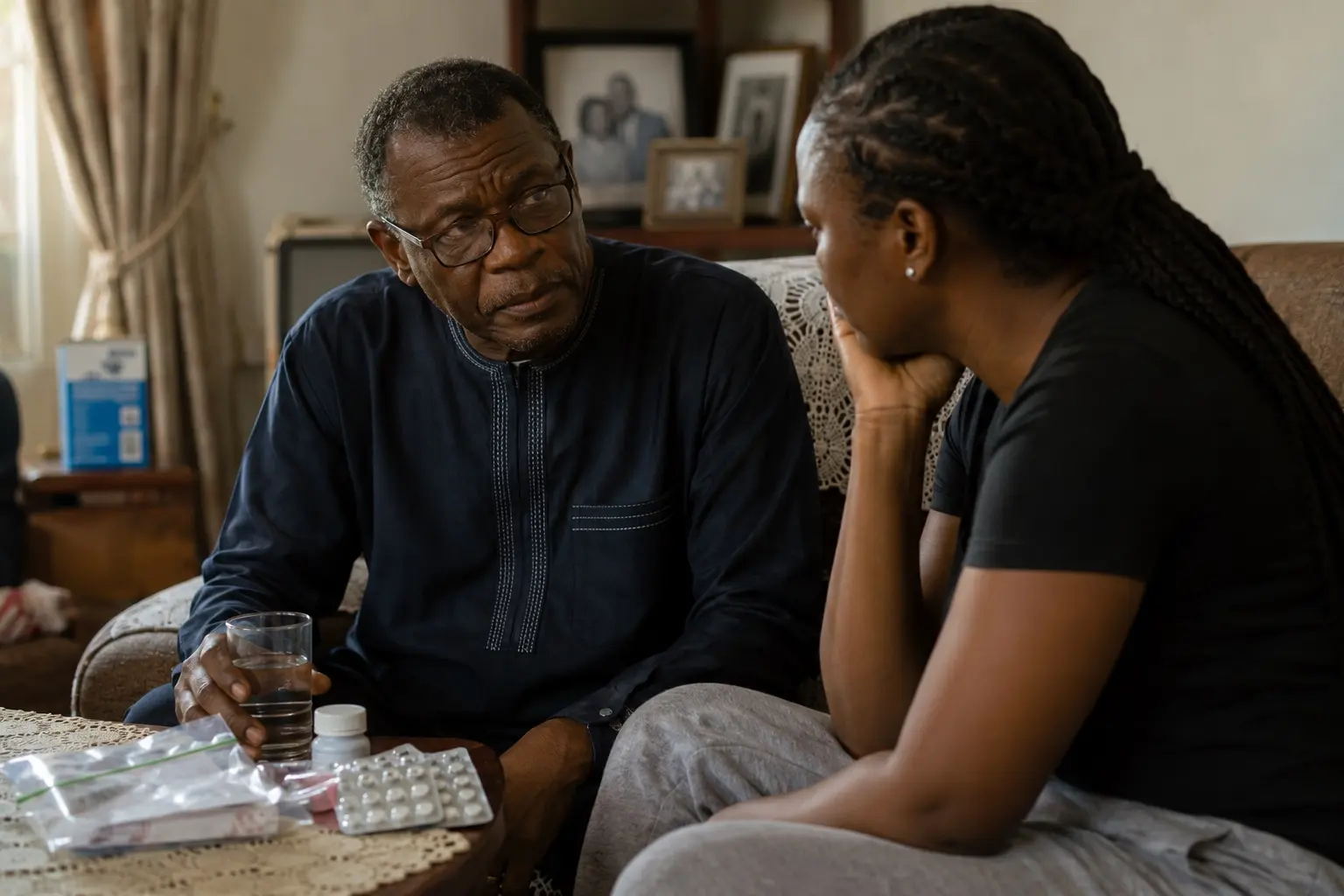
Why some Nigerian parents conceal illness from their adult children, and how privacy, protection, money and family care become entangled.
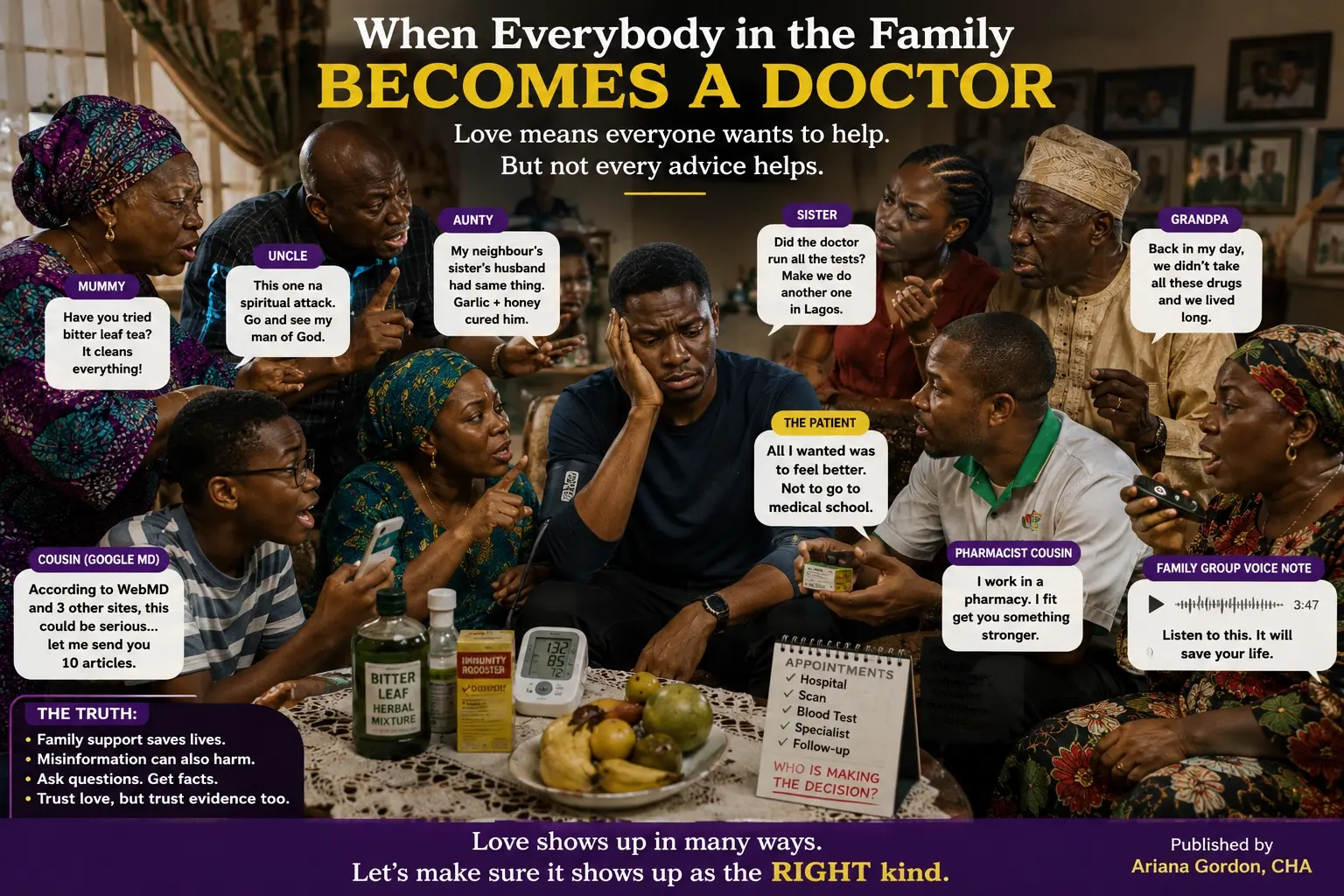
How love, WhatsApp, family experience and medical advice collide when illness enters a Nigerian home—and how to keep help from becoming harm.
Policy, access, institutions and the decisions shaping care across Nigeria.
Major developments and public-health lessons from across the continent.
Evidence explained carefully—without hype or invented certainty.
Tools, delivery models and practical ideas changing how care reaches people.
Prevention, population health and the systems behind healthier communities.
What new rules, funding choices and national programmes mean in practice.
Responsible digital health, data, devices and infrastructure.
Clinicians, researchers, advocates and builders worth knowing.
The organisations building credible standards and measurable impact.
Considered conversations with people doing the work.
Clear answers to health questions people often carry in silence.
We welcome carefully sourced pitches from clinicians, researchers, health writers, photographers and people with direct knowledge of healthcare. Every submission is reviewed before publication, and accepted work receives a named byline, publication time, source record and permanent article page.
Pitch an articleThe CHA Health standard
CHA Health publishes original explanations and editorial work. We do not copy institutional releases, manufacture experts or turn uncertain evidence into a headline.
WHO · WHO Africa · Africa CDC · NCDC · Federal Ministry of Health & Social Welfare · NHIA · NPHCDA · NICRAT · universities · teaching hospitals · peer-reviewed journals