

The diagnosis changes the atmosphere of the house. The family begins fundraising because that is what Nigerian families have learnt to do when illness becomes expensive. Then somebody asks: have you checked the Cancer Health Fund?
The fundraiser begins before the navigation
Which hospital? Which doctor? What stage? What treatment? How much? That last question grows louder with every answer. Somebody creates a WhatsApp group. A relative suggests selling land. Another searches for an online fundraiser.
The family may spend weeks looking for money before anybody asks whether a recognised public programme, hospital welfare unit or treatment partnership applies. The support exists outside their field of vision.
That gap matters because cancer care is time-sensitive, complex and expensive. Families should receive accurate financial navigation early—not as an accidental discovery after every available asset has been exhausted.
Nigeria has a Cancer Health Fund
The Cancer Health Fund was established to support eligible indigent patients receiving care for breast, cervical and prostate cancers at six public teaching hospitals: National Hospital Abuja; Ahmadu Bello University Teaching Hospital, Zaria; Federal Teaching Hospital Gombe; University College Hospital, Ibadan; University of Nigeria Teaching Hospital, Enugu; and University of Benin Teaching Hospital.
Published programme information describes support for qualifying treatment services, including chemotherapy and radiotherapy. It should not be interpreted as universal coverage for every cancer, cost or hospital. Eligibility and current availability must be assessed by the responsible programme and participating facility.
Treatment is not the only bill
Even when part of medical treatment is subsidised, the patient may live hundreds of kilometres from the centre. There is transport, accommodation, food, loss of income and the cost of a relative travelling as caregiver. Medicines outside a funded package may still be needed.
Cancer creates an economy around itself. A patient can receive support for treatment and still be unable to afford the repeated journeys required to continue it.
In June 2026, the Federal Government launched a Social Determinants of Health Fund for Cancer Patients with an initial ₦50 million commitment. Reporting at the launch described the fund as support for vulnerable patients facing non-medical costs such as transport, accommodation and food—not as payment of every treatment bill.
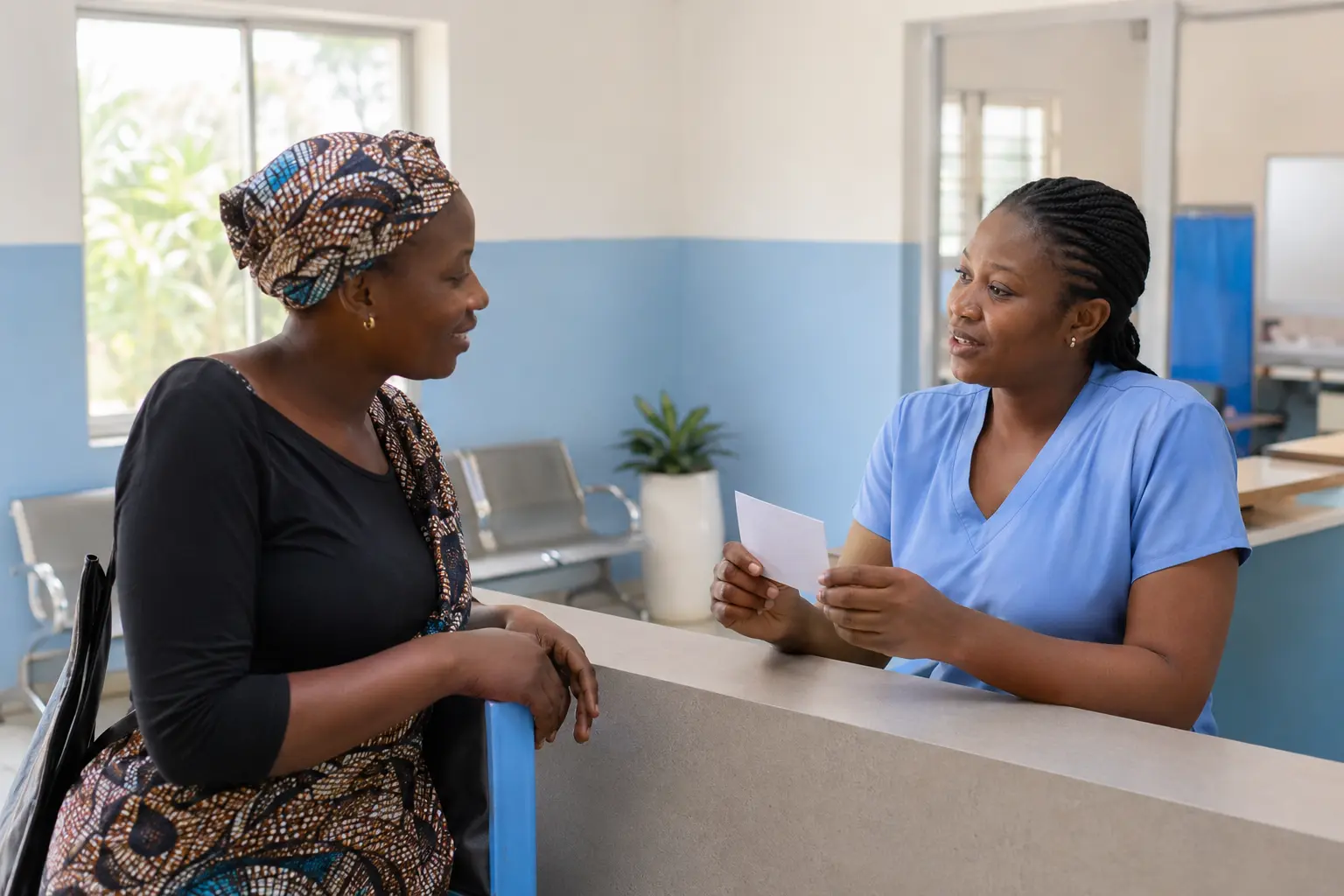
Ask the oncology team early
There is no embarrassment in asking about money. A responsible treatment plan must account for whether the patient can realistically reach and continue care.
- Does this hospital participate in the Cancer Health Fund, and does this diagnosis fall within its current scope?
- Is there a medical social-work, patient-welfare or financial-navigation unit?
- Are any medicines, investigations, transport or accommodation costs supported by a current programme?
- What is the official application process, and who confirms eligibility?
- Which recognised patient-support organisations work with this hospital?
Accuracy protects vulnerable families
A programme page can become outdated. Funding may be limited. A named facility may change how it receives or assesses applications. That is why responsible health communication must avoid blanket claims such as ‘cancer treatment is free in Nigeria. ’
False hope can be cruel, but so can silence. The correct message is more precise: defined support may be available to qualifying patients, and it is worth asking about before deciding there are no options.
Families should also be alert to scams. Applications and payments should be handled through official hospital, government or verified partner channels—not through an individual who promises guaranteed approval for a private fee.
Cancer care needs navigators
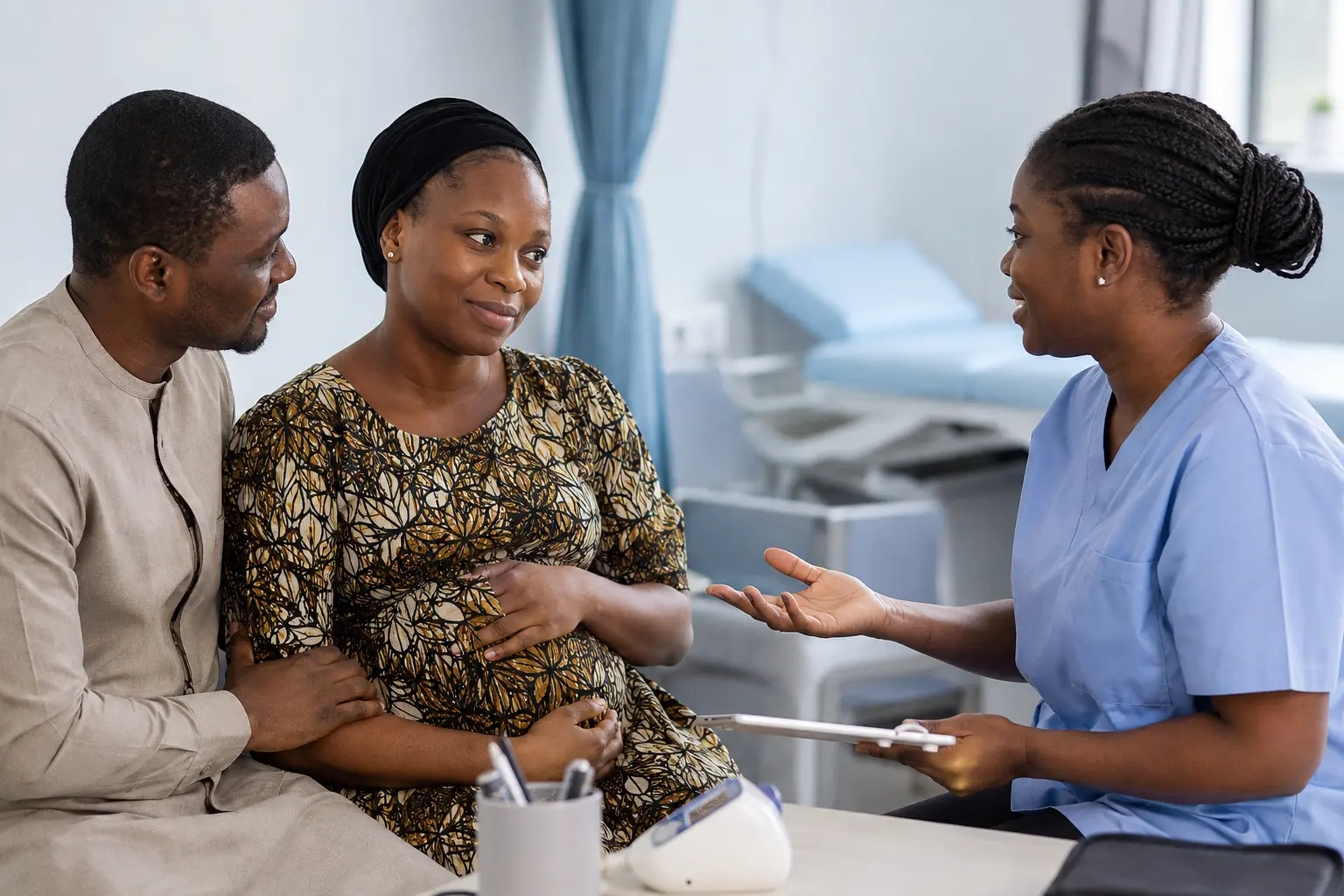
A newly diagnosed patient should not have to become an expert in Nigerian health financing between diagnosis and treatment. Somebody should be available to explain where to go, what happens next, what is covered, what is not and which assistance channels are current.
There will still be families who need to raise money. Cancer care can remain extraordinarily expensive. But before the first desperate message is forwarded to every WhatsApp group, another set of calls should happen—to the treating hospital, the oncology team, the medical social-work unit, NICRAT and the relevant public programme.
Sometimes help exists. The tragedy is discovering it after you have already concluded there was none.
Sources & further reading
CHA Health uses named, traceable sources. Links open the original institutional material.
Read thoughtfully.
Respond constructively.
Loading discussion…