For decades, malaria prevention has relied on doing several things well at once. Vaccines do not replace that strategy. They make it more powerful.
A result that changes the conversation
In May 2026, the World Health Organization reported results from the first African countries to introduce the RTS,S malaria vaccine through routine public-health programmes. The evaluation followed implementation in Ghana, Kenya and Malawi from 2019 to 2023.
The central finding was not simply that vaccinated children had fewer malaria episodes. WHO reported that, over four years, an estimated one in eight child deaths was averted among children eligible for vaccination in the implementation areas. That is the kind of evidence that moves a vaccine from promise to public-health instrument.
A vaccine is not a force field
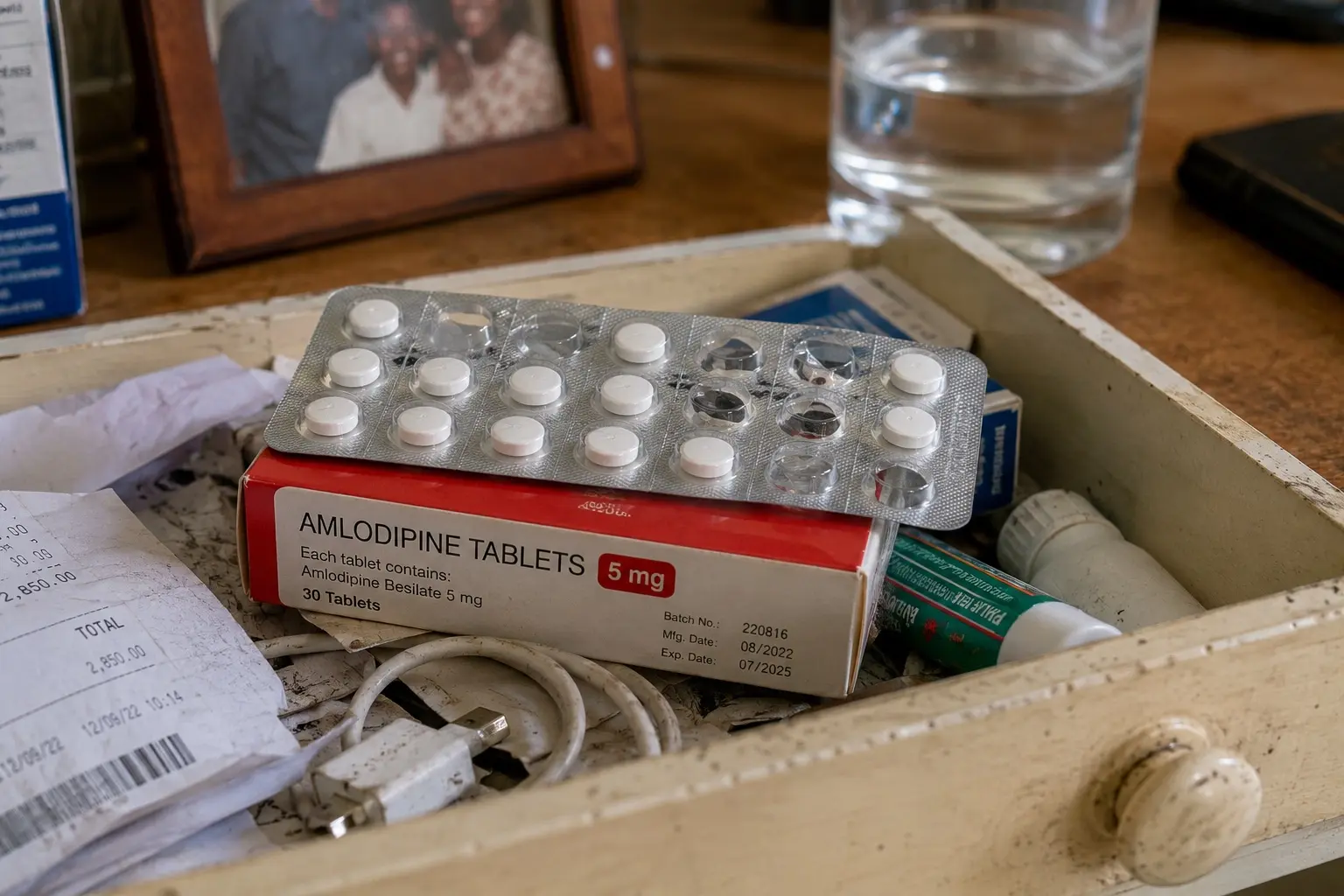
Malaria vaccines reduce risk; they do not make every vaccinated child immune. WHO continues to recommend an integrated approach that combines vaccination with insecticide-treated nets, prompt testing, effective treatment and other locally appropriate prevention measures.
This is not a weakness in the vaccine story. It is how malaria control has always worked: layers of protection cover the gaps that any one intervention leaves behind.
The breakthrough now becomes a delivery problem
A scientific product only becomes population protection when health systems can finance it, supply it, keep it at the right temperature, schedule every dose, reach families and maintain trust. The next phase therefore belongs as much to logisticians, nurses, community health workers, immunisation managers and finance ministries as it does to laboratories.
WHO said 25 malaria-endemic African countries were offering malaria vaccines by May 2026, with more than ten million children targeted each year. Supply was described as sufficient to meet demand, while financing remained a major constraint on wider and sustained coverage.
- Protect routine immunisation budgets and last-mile delivery.
- Explain clearly that vaccination complements nets, testing and treatment.
- Use vaccination visits to connect children with other essential health services.
- Publish coverage and safety information in ways communities can understand.
What progress should look like
Success will not be measured by shipment announcements alone. It will be seen in completed vaccine schedules, fewer severe cases, fewer hospital admissions and more children surviving seasons that once placed them at exceptional risk.
Africa’s malaria-vaccine moment is not a reason to relax the old protections. It is an opportunity to assemble them into a stronger system—one that treats a breakthrough not as the finish line, but as a new tool placed in capable hands.
Sources & further reading
CHA Health uses named, traceable sources. Links open the original institutional material.