
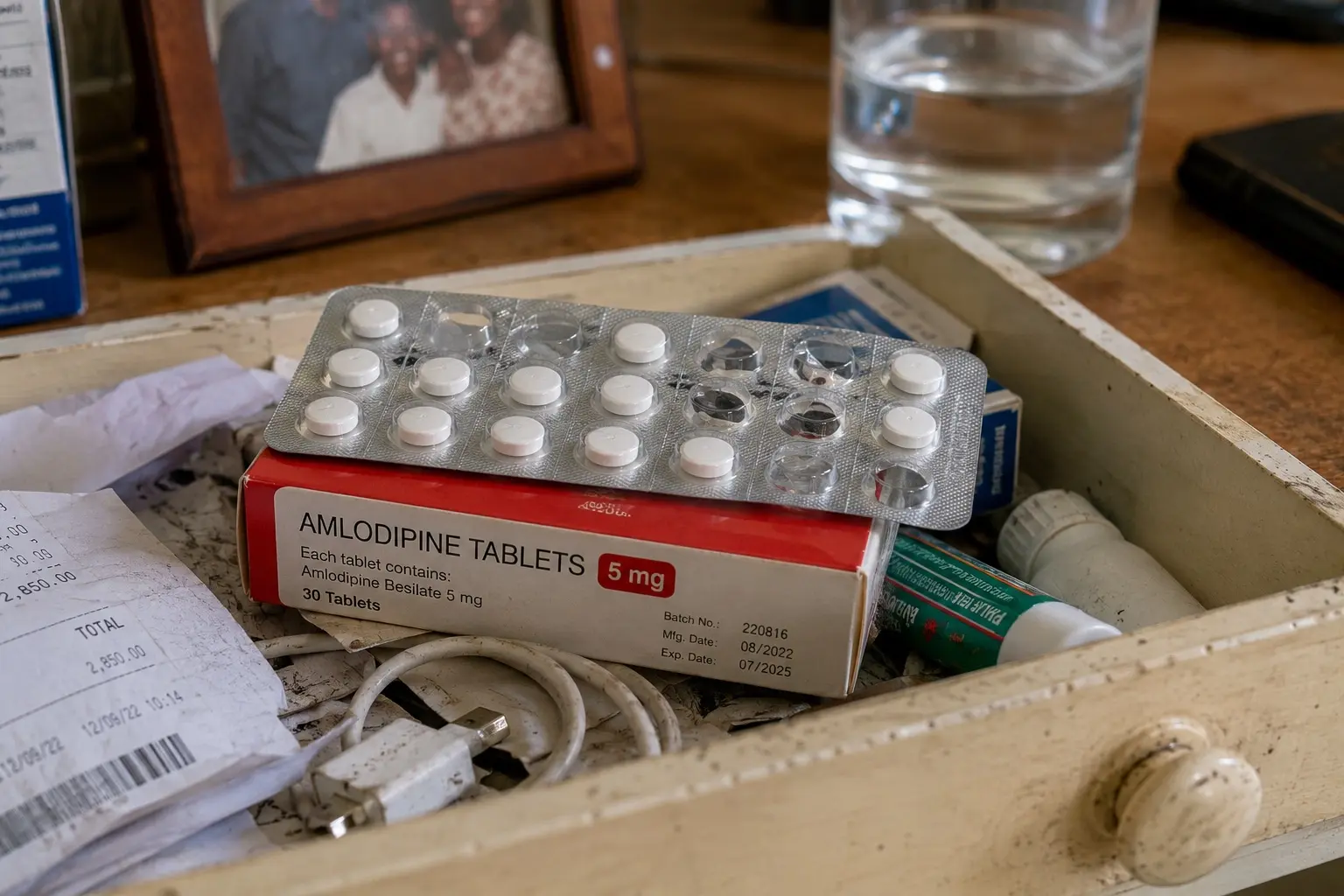
A prescription can be correct and still fail in real life. Between the clinic and the kitchen table are cost, fear, side effects, confusion, routine, belief and the quiet conclusion that feeling well must mean the illness has gone.
The dangerous success of feeling better
Many long-term medicines are not designed to produce a dramatic feeling. Their job may be to keep blood pressure controlled, prevent a clot, reduce inflammation or stop a condition from returning. When that job is done well, the reward can feel like nothing is happening.
That creates a strange bargain: the medicine succeeds, the symptoms fade, and the evidence of why it was needed becomes less visible. A person may then ask a reasonable question—if I feel fine, why am I still taking this? The mistake is not the question. The risk begins when nobody answers it clearly.
Non-adherence is not one behaviour
People do not stop treatment for one universal reason. Some cannot afford the next refill. Some cannot reach a pharmacy. Some are managing several tablets with different instructions. Others experience a side effect they are embarrassed to mention, distrust a diagnosis they never fully understood, or hear a frightening story from someone they trust.
There is also ordinary life: travel, a difficult work shift, a changed routine, a misplaced pack, or the belief that missing a few doses cannot matter. Calling all of this ‘non-compliance’ may describe the outcome, but it tells us very little about the obstacle.
- Cost and availability can interrupt an otherwise willing patient.
- Side effects can feel more immediate than a future health risk.
- Complex schedules make mistakes more likely.
- Poor explanations leave people to create their own theory of treatment.
- Feeling better can be misread as being cured.
The conversation that should happen before the first dose
Good prescribing is not complete when a medicine name is written down. A patient needs to know what the medicine is for, what improvement may or may not feel like, how long it is expected to continue, what side effects deserve attention and what to do after a missed dose.
The most useful question may be less formal: ‘What could make this difficult for you to keep taking? ’ That question can reveal a transport problem, a night-shift schedule, a fear about dependency or a cost that would otherwise remain invisible.
Do not turn uncertainty into a private experiment
If a medicine feels unaffordable, ineffective or unpleasant, the safest next step is not silence. Speak with the prescribing clinician or a pharmacist before reducing, skipping or stopping it. Some medicines must not be stopped suddenly; some can be changed; some side effects can be managed; and sometimes the treatment plan itself needs review.
Adherence is not obedience. It is a shared plan that makes sense medically and remains possible in the patient’s actual life. The goal is not to shame people into swallowing tablets. It is to make the reason, the routine and the route back to care clear enough that treatment has a fair chance to work.
Sources & further reading
CHA Health uses named, traceable sources. Links open the original institutional material.


Read thoughtfully.
Respond constructively.
Loading discussion…