

Rabies creates a brutal deadline. The person who has been bitten may look completely well, while the only reliable opportunity to prevent a fatal disease is already passing.
The emergency begins before anyone looks sick
A child comes home and says a dog scratched him. The mark looks small. The dog belongs to somebody on the street. It may even look healthy. The easiest response is to clean the skin quickly, watch the child and decide that a hospital visit can wait.
Rabies punishes that delay. The virus is usually transmitted through infected saliva, most often by a bite or scratch. It can take weeks or months before symptoms appear. During that quiet period, post exposure prophylaxis can prevent the virus from reaching the central nervous system. Once clinical symptoms begin, WHO says rabies is fatal in virtually every case.
That is why the important question is not whether the person feels ill. It is whether a possible exposure happened.
Nigeria's new number is an animal surveillance warning
On 7 October, WHO's Nigeria office reported that the Federal Ministry of Livestock Development had recorded more than 100 animal rabies cases across 16 states between January and August 2026. The figure does not describe human deaths, and it should not be presented as though every infected animal bit a person.
It does show that rabies is circulating across a wide geographic area. It also shows why counting matters. In Cross River State, a surveillance project identified 22 rabies cases in two years after the state had reported none for more than a decade. Better detection did not create the disease. It revealed cases that an under resourced system had not been seeing.
WHO has previously cited an estimate of about 10,000 human rabies deaths a year in Nigeria, while warning that the true burden is uncertain and likely undercounted. A model is not a death register. Nigeria needs stronger human and animal reporting to know where exposure is happening, whether bite victims receive treatment and where supplies fail.
The first 15 minutes
WHO and Nigeria's One Health guidance agree on the immediate first step: wash and flush the wound thoroughly with soap and running water for at least 15 minutes, then seek medical care without delay.
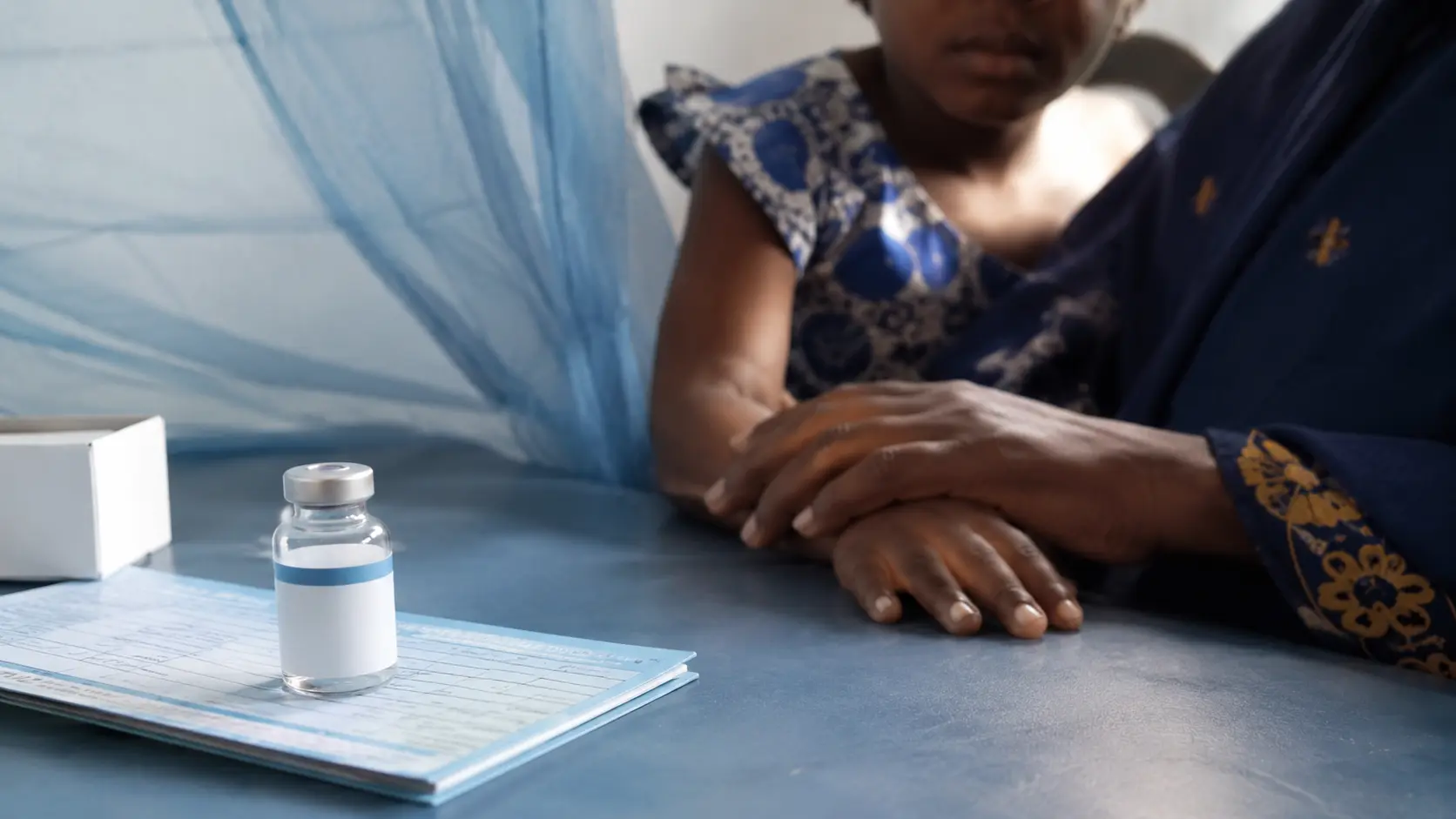
Washing is not a substitute for medical assessment. Post exposure prophylaxis, usually shortened to PEP, may include a course of rabies vaccine and, for certain severe exposures, rabies immunoglobulin or monoclonal antibodies placed around the wound. A trained health professional should assess the exposure and decide what is indicated.
Do not wait for fever, tingling, fear of water, unusual behaviour or weakness. Those are possible clinical signs after the virus has affected the nervous system. The purpose of PEP is to act before that stage.
- Wash the area with soap and running water for at least 15 minutes.
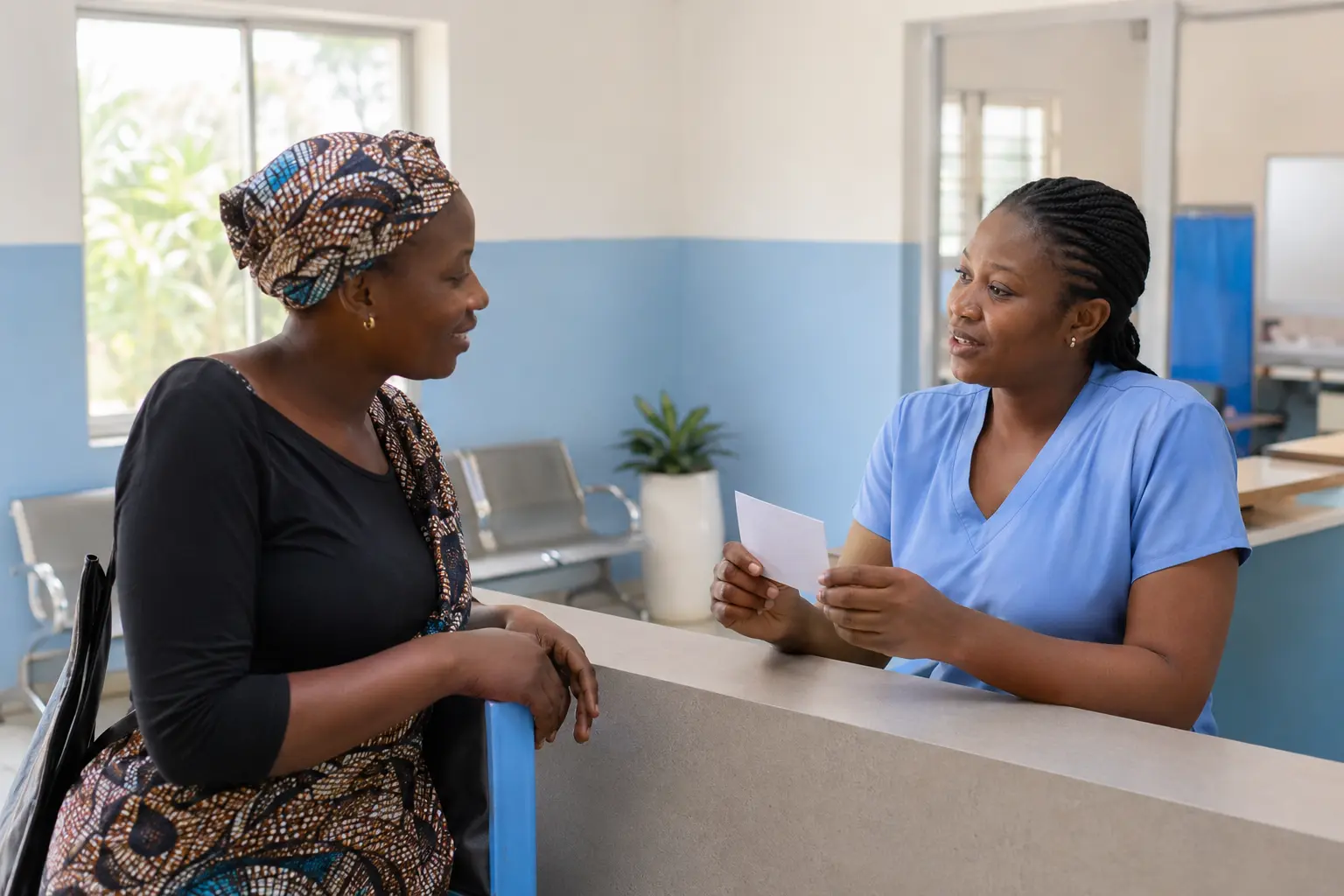
- Go to a health facility promptly and explain exactly how the contact happened.
- Say whether the skin was broken, whether there was bleeding and whether saliva reached the eyes, mouth or an existing wound.
- Ask whether rabies vaccine and, if indicated, rabies immunoglobulin or monoclonal antibodies are available.
- Complete the treatment schedule given by the clinician, even if the wound looks healed.
A scratch can count
People often reserve the word exposure for a dramatic bite. WHO's categories are wider. Minor scratches or abrasions without bleeding can require wound washing and immediate vaccination when the animal may have rabies. A bite that breaks the skin, saliva on broken skin or a mucous membrane, or direct contact with a bat is treated as a more severe exposure and can require vaccine plus rabies immunoglobulin or monoclonal antibodies.
Touching an animal or being licked on intact skin is not classified the same way. The distinction depends on what happened to the skin and where saliva went, not simply on how frightening the encounter felt.
If there is uncertainty, describe the contact to a qualified health professional. Do not try to grade a child's scratch from memory or rely on advice from an unverified medicine seller.
Do not turn the dog into the only decision maker
A familiar dog can transmit rabies. An animal may not look obviously ill at the moment of contact. Where possible, public health and veterinary teams may arrange observation, investigation or testing of the animal, but a bite victim should not delay urgent assessment while waiting to see what happens.
Do not attempt to catch an aggressive or unfamiliar animal yourself. If it is safe, record where the incident happened, the owner's details, a description of the animal and whether it can be located. That information can help health and veterinary authorities assess the risk.
Killing free roaming dogs is not an effective rabies control strategy, WHO says. The durable public health intervention is sustained vaccination of dogs, including puppies, alongside responsible ownership, surveillance and access to care for exposed people.
The science is clear. Access is not.
Nigeria's rabies problem is not a mystery waiting for a laboratory breakthrough. Human vaccines exist. Dog vaccines exist. The first aid is inexpensive. The failure occurs when the nearest facility does not stock the required products, when a family cannot afford the full course, when a health worker underestimates a scratch, or when veterinary and human health teams never share the same case information.
WHO's Cross River report described cost and supply as serious barriers. It documented a surveillance team sometimes helping victims pay for treatment and vaccine supplies for dogs declining after a funded project ended. That is the uncomfortable difference between a preventable death and prevention that is actually available.
Nigeria's 2030 promise therefore needs practical answers: which facilities stock PEP today, how quickly depleted stock is replaced, what patients pay, how many complete the schedule, and what happens after an animal case is reported.
Other countries prove elimination is possible
In September 2026, WHO validated Bhutan and Chile for eliminating dog transmitted rabies as a public health problem. Their routes were not identical, but the foundations were familiar: dog vaccination, reliable surveillance, rapid investigation, access to PEP and coordination between human and animal health services.
Those successes matter for Nigeria because they change the question. The issue is no longer whether dog mediated human rabies can be eliminated. It can. The issue is whether prevention is funded and organised continuously, including after public campaigns and donor projects end.
WHO recommends vaccination coverage of at least 70% of dogs in at risk areas to interrupt transmission. That target requires more than owners who can afford a private veterinarian. It requires campaigns capable of reaching owned, community and free roaming dogs, and records strong enough to show where coverage is still low.
The public information Nigeria should make easy to find
A parent searching after a bite should not have to call several hospitals to discover where vaccine is available. Nigeria's response would become more useful if national and state authorities maintained a current public directory of PEP centres, stock status, costs and referral contacts.
The country should also publish linked data on animal cases, human exposures, PEP initiation and completion, and dog vaccination coverage. Those figures would help communities see risk earlier and would make the 2030 goal measurable rather than ceremonial.
Rabies does not give people a second chance after symptoms begin. Public health must give them a clear first chance before they do.
Sources & further reading
CHA Health uses named, traceable sources. Links open the original institutional material.
- WHO Regional Office for Africa · 7 October 2026Nigeria steps up action to prevent rabies deaths through One Health approach
- World Health Organization · 17 September 2026Rabies: key facts, exposure categories and post exposure care
- WHO Regional Office for Africa · June 2026Rabies prevention and control in the WHO African Region
- World Health OrganizationRabies surveillance in action: saving lives in Cross River State, Nigeria
- World Health Organization · 4 September 2026WHO validates Bhutan for eliminating dog transmitted human rabies
- World Health Organization · 14 September 2026Chile becomes first South American country validated for eliminating dog transmitted rabies

Read thoughtfully.
Respond constructively.
Loading discussion…